
 By
By 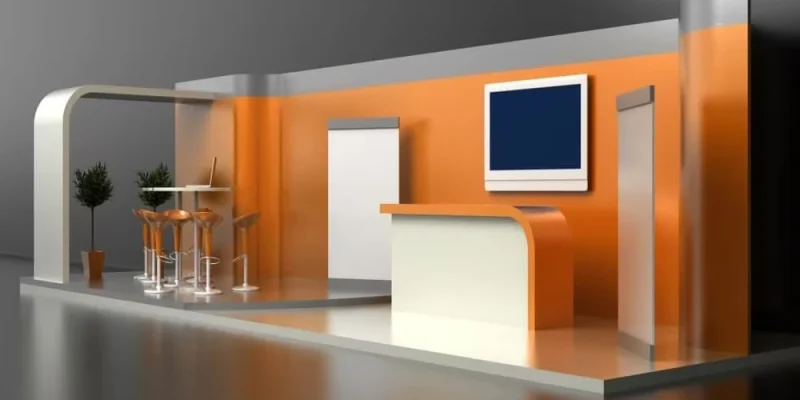
The design phase of an exhibition stand gets most of the attention, but exhibition booth setup Singapore teams handle, the actual on-site build, is where a strong concept either survives contact with a real venue or runs into problems no amount of pre-show planning fully anticipated. Understanding what the setup process actually involves helps a brand plan realistic timelines rather than assuming setup is a formality that happens automatically once fabrication is complete.
The Setup Window Is Shorter Than Most Brands Expect
Most venues allocate a fixed build-up window, often just one or two days, shared across every exhibitor on the floor, which leaves far less time than brands accustomed to slower markets typically assume. Confirming the exact build-up window at booking, and planning fabrication and delivery to fit comfortably within it, avoids a stand still being finished as doors open to visitors on the show’s first morning.
Delivery Logistics and Loading Dock Scheduling
Venues typically require loading dock slots to be booked in advance, and missing a scheduled slot can push a delivery back by hours in a venue handling deliveries for dozens of exhibitors simultaneously. Booking dock access early and building in a buffer against delivery delays protects the rest of the setup timeline from a single logistics hiccup elsewhere in the venue.
On-Site Team Roles During Build-Up
A build-up crew without clearly assigned roles, who’s handling structure, who’s handling graphics, who’s liaising with the venue, tends to lose time to overlapping effort and unclear decision-making exactly when time is tightest. Assigning specific roles and a single point of contact for venue coordination before the crew arrives on site keeps build-up moving efficiently under time pressure.
Power, Rigging and Services Coordination
Power and rigging requests submitted late, or submitted without accounting for a venue’s specific service order deadlines, can result in services not being available when the build-up team actually needs them. Submitting service orders well ahead of the venue’s stated deadline, with some margin against last-minute design changes, avoids a stand sitting unpowered during a critical setup window.
Managing Last-Minute Design Changes Under Time Pressure
Changes requested during build-up, a different accent colour, a repositioned graphic, are far more disruptive on-site than the same change would have been at the design stage, since they compete directly with a fixed setup deadline. Locking design decisions before fabrication begins, and treating on-site changes as a genuine exception rather than routine, keeps setup on schedule, a discipline that applies whether the crew on site is running an exhibition stand or a festive decoration company Singapore mall installation on an equally tight calendar.
Quality Checks Before the Show Floor Opens
A final walk through before doors open, checking lighting, graphics alignment, structural stability and cleanliness, catches issues that are still fixable with a few hours’ notice but would be far more visible and harder to address once visitors are already on the floor. Scheduling that walkthrough as a deliberate step, not an informal glance on the way out, is a small habit that prevents avoidable first-impression problems.
Staffing the Booth From the Moment Doors Open
A booth that’s physically finished but has no staff briefed and in position when the show floor opens loses valuable early engagement time, particularly on a show’s opening morning when foot traffic is often at its highest. Coordinating staff arrival and briefing to align with the venue’s actual opening time, not just the booth’s physical completion, avoids that early gap.
Managing the Stand During the Show Itself
A stand needs light ongoing management during a multi-day show, restocking materials, addressing minor wear, keeping graphics clean, that’s easy to overlook once the initial excitement of opening day passes. Assigning explicit daily maintenance responsibility for the duration of the show, rather than assuming the stand will simply hold up unattended, keeps it presentable through closing day.
Teardown Timelines and What They’re Often Underestimated By
Teardown is frequently planned with less rigour than build-up, on the assumption that taking a stand apart is inherently simpler than putting it together, even though venues typically enforce teardown deadlines just as strictly as build-up ones. Planning teardown with the same level of detail as build-up, including confirmed loading dock slots for departure, avoids penalty charges for overrunning a venue’s teardown window.
Choosing a Setup Partner With Genuine On-Site Experience
A design concept can be excellent and still be let down by a setup team with limited experience in the specific venue being used, since venue-specific knowledge, loading dock quirks, favoured routes through back-of-house corridors, service order contacts, genuinely affects how smoothly build-up runs. Choosing an exhibition company Singapore brands have seen deliver in the specific venue booked, not just a strong portfolio generally, reduces on-site risk considerably.








Comments